
Sri Lanka recently introduced visa‑free entry for many nationalities to spark tourism growth post‑pandemic. On the surface, it’s a warm welcome: “Come, no red tape!” But amid this enthusiasm lies a question: what kind of visitor do we really want to attract?
The Instagram Reality
Instagram’s visuals—the sunrise at Sigiriya, Ella hills trains, southern beaches—have catapulted Sri Lanka onto social media’s wishlists. But rising popularity has brought unintended consequences: overwhelmed infrastructure, inflated prices, and dilution of local charm in over‑visited areas.
Meanwhile, untouched locales remain under‑promoted—places like Ritigala’s forest monasteries, olive‑green eastern coasts, village Ayurvedic escapes, and authentic tea‑estate stays in the interior hills.
Without intervention, Sri Lanka risks becoming a ‘checklist destination’—fast visits, few local benefits, and no deeper connection.
Who Benefits from Visa‑Free Access?
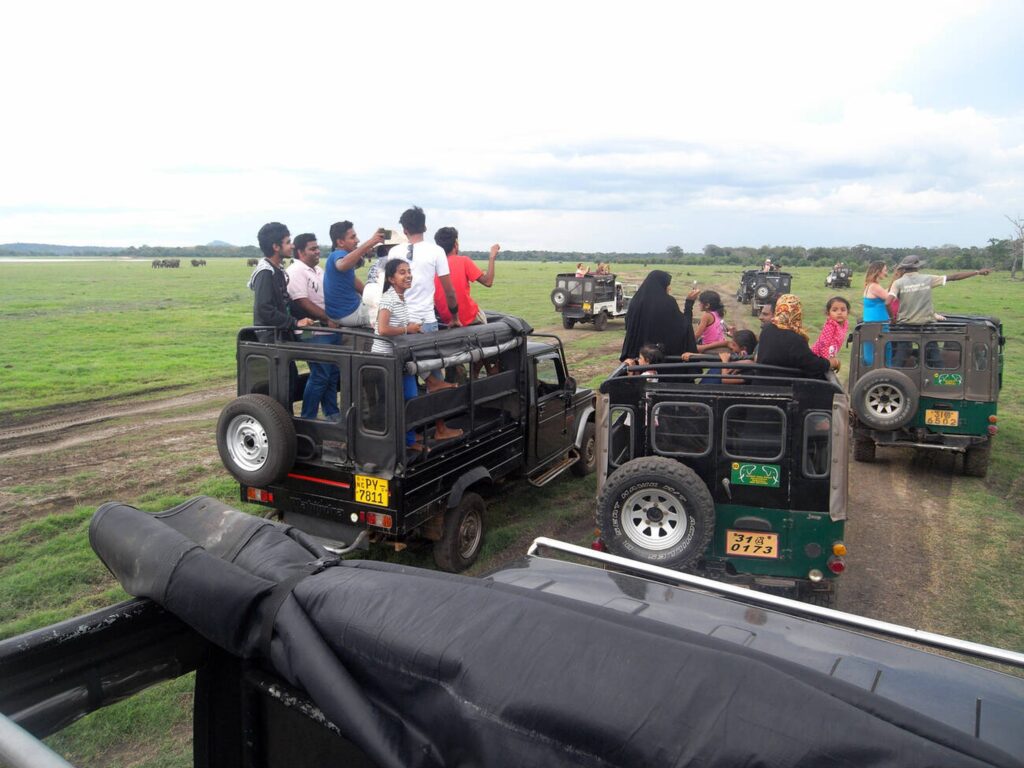
Yes, visa‑free entry removes barriers—and appeals to spontaneous travellers. But that doesn’t guarantee high‑value tourism; often it attracts short‑stay, budget travellers who patronize only familiar routes, staying on mainstream sites and limiting the breadth of economic impact.
The Right Tourist: Values Over Volume
This isn’t elitism. The right tourist is defined by attitude: curiosity, cultural respect, community engagement. These visitors invest intentionally—they stay longer, explore beyond Sigiriya, support local artisans, and leave with more than just photos.
Spreading Benefits Across Sri Lanka
Sri Lanka offers far more than overcrowded “big five” destinations. Imagine:
• A walking tour in the lesser‑known eastern forts
• Temple stays and forest meditation near Ritigala
• Hill country tea‑estate life at Rosyth with cooking, wellness, and farm tours
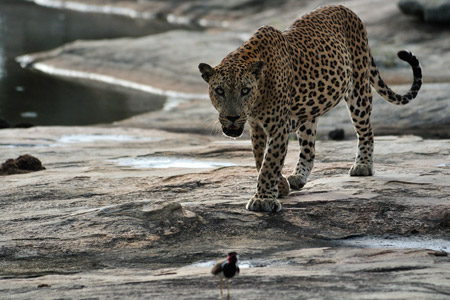
• Wildlife photography without crowds in under‑visited parks
Diversifying our offerings distributes economic benefits sustainably—and protects vulnerable natural and cultural sites.
Policy + Purpose = Sustainable Tourism
Visa reforms must be paired with thoughtful tourism strategy:
• Partner with local councils, guides, small hotels, DMCs
• Create off‑beat itineraries and publicise them globally
• Initiate cultural orientation for travelers—respect traditions, avoid overtourism
• Support capacity-building in nascent tourism destinations
Why Rosyth Matters
At Rosyth Estate House, located in our family’s 62‑acre tea and rubber estate in Kegalle, we’ve hosted guests who seek more than a quick photo op. They learn to cook with local ingredients, cycle through plantations, enjoy spa treatments that incorporate Sri Lankan wellness traditions, and meander on trails threaded through wildlife. The experience moves beyond tourism—it becomes meaningful.
Final Thought
Sri Lanka is not just a beach break—it’s ancient wisdom, rich heritage, biodiverse landscapes, and genuine hospitality. Visa-free entry is not inherently problematic—but without aligning it to purposeful tourism, we risk inflating numbers while deflating value.
Let’s open our island—but invite those who will cherish it.
Farzana Marikkar Dobbs, co owner of Travel Gallery UK and Rosyth Estate House, writing on sustainable, culturally-rich tourism for Sri Lanka and beyond.